
Anxiety Therapy Toronto: Effective Treatment to Reduce Anxiety Fast
February 20, 2026

PTSD and Trauma Therapy Treatment in Toronto: What You Need to Know
Post-Traumatic Stress Disorder (PTSD) is a mental health condition that may develop after experiencing or witnessing a traumatic event. In a busy urban environment like Toronto, unresolved trauma can affect professional life, relationships, and overall well-being. PTSD and trauma therapy in Toronto provides structured and compassionate support to help individuals safely process difficult experiences and move toward emotional healing.
Through evidence-based therapy approaches, individuals learn to understand trauma responses, reduce emotional distress, and rebuild a sense of stability and safety in daily life.
Common Symptoms of PTSD
PTSD symptoms often fall into several key categories that affect emotional, psychological, and physical well-being.
Intrusive Memories
Unwanted thoughts, flashbacks, or vivid memories related to traumatic experiences.
Avoidance
A tendency to avoid places, people, or situations that trigger memories of trauma.
Negative Mood Changes
Persistent sadness, guilt, emotional numbness, or difficulty experiencing positive emotions.
Heightened Reactivity
Feeling constantly alert, irritable, or easily startled.
Additional symptoms may include nightmares, difficulty concentrating, sleep disturbances, and a constant sense of being “on edge.” When these symptoms persist for more than a month and interfere with daily functioning, professional therapy may be beneficial.
Causes and Types of Trauma
Trauma can arise from many life experiences and may result from a single event or repeated exposure to distressing situations.
Abuse or Violence
Physical, emotional, or sexual abuse including domestic violence.
Accidents
Car accidents, workplace injuries, or sudden medical emergencies.
Loss and Grief
The sudden loss of a loved one or major life disruption.
Childhood Trauma
Neglect, unstable environments, or early emotional hardship.
Chronic Stress
Long-term stress or repeated exposure to distressing situations.
Trauma therapy focuses on helping individuals process emotional wounds while rebuilding a sense of safety and personal stability.
How PTSD Affects the Brain and Body
Trauma activates the body’s natural fight, flight, or freeze response. For individuals living with PTSD, this response can remain heightened long after the original danger has passed.
As a result, the brain becomes more sensitive to perceived threats. This heightened response can lead to anxiety, hypervigilance, sleep disruption, and emotional distress. Professional trauma therapy helps regulate the nervous system and improve the brain’s ability to process difficult experiences.
When to Seek Trauma Therapy in Toronto
Professional therapy may be helpful when trauma-related symptoms begin to affect everyday functioning or emotional well-being.
• Symptoms persist or intensify over time
• Emotional disconnection or numbness develops
• Anxiety or depression becomes more noticeable
• Relationships begin to suffer
• Avoidance of certain places or situations increases
Seeking therapy is a proactive step toward restoring emotional balance and building resilience.
How PTSD and Trauma Therapy Works
Trauma therapy provides a supportive and structured environment where individuals can gradually process painful memories. Instead of overwhelming exposure to trauma, therapy emphasizes emotional regulation, cognitive understanding, and practical coping skills.
The therapeutic process is collaborative and tailored to each person’s comfort level, ensuring progress occurs at a safe and manageable pace.
Evidence-Based Treatments for PTSD
Several research-supported approaches are widely used in PTSD treatment.
Cognitive Behavioral Therapy
Helps individuals identify and reframe distressing thoughts related to trauma.
Trauma-Focused CBT
A specialized CBT approach designed specifically for trauma recovery.
Prolonged Exposure Therapy
Gradual exposure to trauma memories to reduce avoidance behaviors.
Acceptance and Commitment Therapy
Encourages psychological flexibility and emotional acceptance.
Somatic-Based Therapy
Focuses on releasing trauma stored in the body.
EMDR and Other Effective Trauma Therapies
Eye Movement Desensitization and Reprocessing (EMDR) is one of the most recognized therapies for PTSD treatment. EMDR helps the brain reprocess traumatic memories so they become less emotionally intense over time.
Therapists may also integrate mindfulness practices and Internal Family Systems (IFS) approaches to create a comprehensive and personalized healing plan.
Benefits of Professional Trauma Therapy in Toronto
Confidential Support
A safe and private environment for discussing sensitive experiences.
Evidence-Based Care
Therapies supported by research and clinical experience.
Personalized Treatment
Therapy plans tailored to each individual's needs and goals.
Emotional Regulation
Improved ability to manage stress and emotional responses.
Greater Self-Awareness
Better understanding of emotional patterns and triggers.
Trauma Therapy for Adults and Working Professionals
Many professionals find it challenging to prioritize mental health due to demanding work schedules. However, unresolved trauma can contribute to burnout, emotional exhaustion, and strained relationships.
Flexible scheduling options in Toronto allow individuals to access therapy while maintaining privacy and consistency in their personal and professional lives.
What to Expect in Your First Therapy Session
The first therapy session focuses on understanding your background, current challenges, and personal goals for treatment. There is no pressure to share every detail immediately.
Therapy progresses gradually, allowing individuals to build trust with their therapist and explore experiences at a pace that feels safe and supportive.
Starting Your Healing Journey in Toronto
Living with PTSD or unresolved trauma can feel isolating, but support is available. Professional trauma therapy helps individuals reduce the impact of past experiences while developing healthier coping strategies.
Healing does not mean forgetting the past. Instead, it involves regaining control, strengthening resilience, and moving forward with confidence.
Frequently Asked Questions
What is the difference between PTSD and general trauma?
PTSD is a diagnosed mental health condition that develops after exposure to trauma. Trauma itself refers to the emotional response to distressing experiences, which may or may not lead to PTSD.
How effective is PTSD and trauma therapy in Toronto?
Evidence-based therapies such as Cognitive Behavioral Therapy and EMDR have shown strong success in reducing PTSD symptoms and improving emotional regulation.
How long does PTSD treatment usually take?
The duration of treatment varies depending on symptom severity and personal goals. Some individuals notice improvement within several months, while complex trauma may require longer-term therapy.
Is trauma therapy confidential in Toronto?
Yes. Licensed therapists follow strict ethical and confidentiality guidelines. Personal information remains private unless legal safety requirements require disclosure.
Related Articles
Therapy Sessions

Our licensed therapists provide one-on-one sessions to help you navigate personal challenges, build resilience, and find emotional balance.
Therapy Sessions
Our licensed therapists provide one-on-one sessions to help you navigate personal challenges, build resilience, and find emotional balance.
Therapy Sessions
Our licensed therapists provide one-on-one sessions to help you navigate personal challenges, build resilience, and find emotional balance.
Frequently Asked Questions
How effective is anxiety therapy in Toronto?
Anxiety therapy is highly effective, especially when using evidence-based approaches like CBT and personalized care plans.
How fast can therapy reduce anxiety?
Some people notice improvement within a few sessions, though lasting results depend on consistency and individual needs.
Do I need medication along with anxiety therapy?
Not always. Many clients successfully manage anxiety through therapy alone, depending on symptom severity.
Is anxiety therapy confidential in Toronto?
Yes, licensed therapists follow strict confidentiality and privacy guidelines.
Start Your Journey Today
With Clear Moon Therapy, you’ll be supported by "The therapist who gets it."
Take the first step toward a brighter future. Contact me to schedule a free 15-minute consultation.
At Clear Moon Therapy, I believe everyone has the strength within to heal, grow, and create the life they deserve.
Reach Out
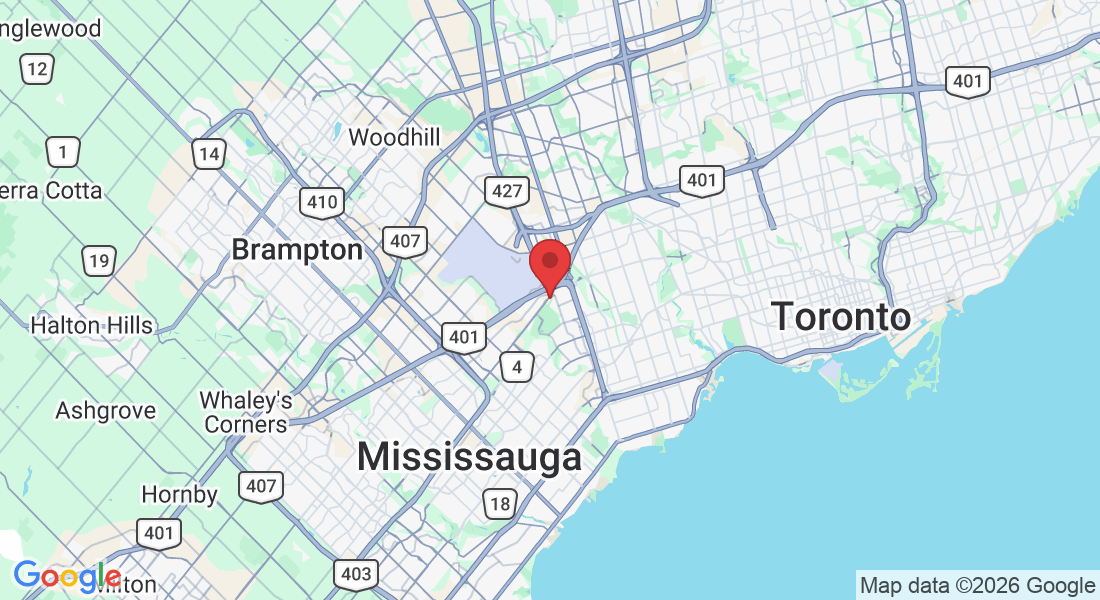
Visit us
5399 Eglinton Avenue West
Suite 204
Etobicoke, ON
Follow Clear Moon Therapy






© 2024. Clear Moon Therapy. All rights reserved.