
Best Seasonal Depression Light Therapy
January 27, 2026
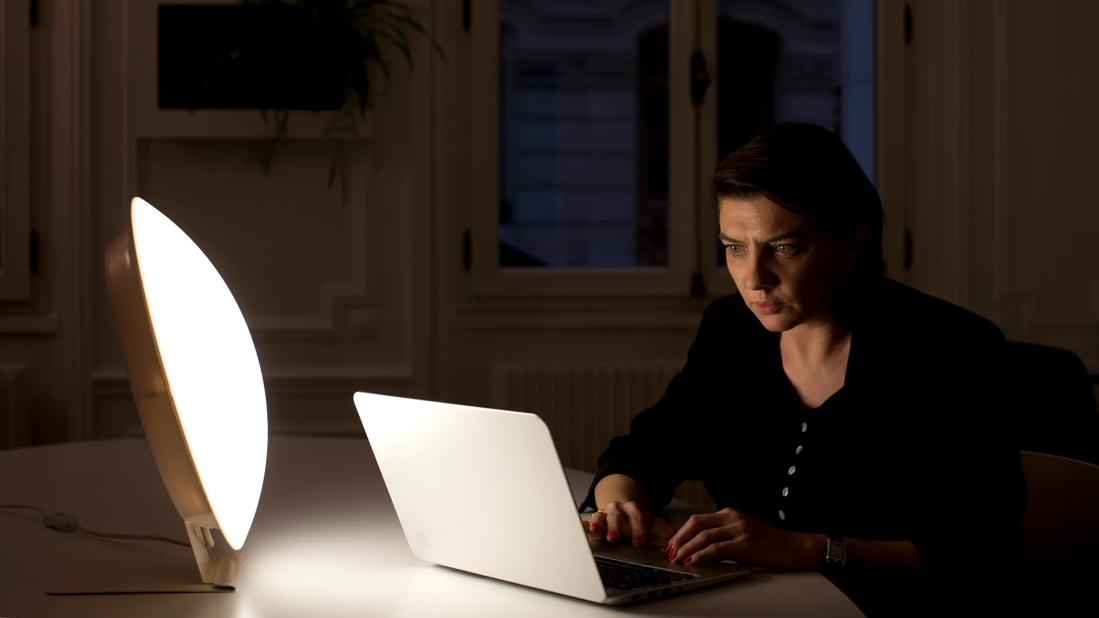
Best Seasonal Depression Light Therapy
Seasonal depression, clinically known as Seasonal Affective Disorder (SAD), affects millions of people each year—especially during fall and winter when daylight hours decrease. Reduced exposure to sunlight can influence mood, sleep cycles, and overall mental well-being.
If you experience persistent low mood, fatigue, lack of motivation, or sleep disturbances during colder months, seasonal depression light therapy may provide a safe and drug-free way to improve emotional balance.
This guide explains how light therapy works, the benefits it offers, how to choose the right device, and how to use it safely for better mental wellness.
What Is Seasonal Depression (SAD)?
Seasonal Affective Disorder is a form of depression connected to seasonal changes, most commonly beginning in late fall and continuing through winter. Limited exposure to natural sunlight can disrupt the body's internal clock and affect important hormones responsible for mood and sleep.
Common symptoms include:
Without proper support, SAD can affect productivity, relationships, and overall quality of life.
How Light Therapy Works for Seasonal Depression
Light therapy, sometimes called phototherapy, involves sitting near a specially designed light box that mimics natural daylight. These therapeutic lights are much brighter than normal indoor lighting and are designed to help regulate the body’s natural rhythm.
Light therapy supports mental wellness by:
Most effective devices produce 10,000 lux brightness, which is considered the clinical standard for treating seasonal affective disorder.
Benefits of Seasonal Depression Light Therapy
Light therapy has become one of the most researched and recommended treatments for seasonal depression because it works naturally with the body’s biological processes.
Many individuals begin noticing improvement within 1–2 weeks of consistent use.
Choosing the Best Seasonal Depression Light Therapy Device
Not all light therapy lamps offer the same level of safety and effectiveness. Selecting the right device ensures you receive the full therapeutic benefit.
Important features to consider:
Avoid using tanning lamps or heat lamps, as they are unsafe and ineffective for treating seasonal depression.
How to Use Light Therapy Correctly
Proper use is essential for achieving the best results and avoiding minor side effects.
Recommended usage guidelines include:
Morning exposure helps regulate sleep cycles and improves daytime alertness.
Is Light Therapy Safe for Everyone?
Light therapy is generally safe for most people. However, some individuals should consult a healthcare professional before starting treatment.
You should speak with a professional if you:
Mild side effects such as eye strain or headaches can usually be reduced by adjusting the session length or distance from the light.
Light Therapy vs Other Seasonal Depression Treatments
Although light therapy is effective on its own, combining it with other wellness strategies can improve long-term results.
Complementary approaches include:
For moderate to severe seasonal depression, combining therapy with light treatment often produces the strongest results.
When Will You See Results from Light Therapy?
Most individuals begin noticing improvements within 7–14 days of regular use. Energy levels often improve first, followed by better mood balance and sleep quality.
Consistency is key. Skipping sessions may slow progress and reduce effectiveness.
Can Light Therapy Prevent Seasonal Depression?
Yes. Many people begin light therapy in early fall before symptoms appear. Preventive use can significantly reduce the severity of seasonal depression and help maintain emotional stability throughout the winter months.
Related Articles
What Is Therapy for Depression?

Frequently Asked Questions
How long should I use light therapy each day?
Most people benefit from 20–30 minutes daily using a 10,000-lux light box.
Is light therapy better than antidepressants for SAD?
For many people with mild to moderate SAD, light therapy can be equally effective without medication side effects.
Can I use light therapy at night?
Morning use is recommended, as nighttime exposure may interfere with sleep patterns.
How soon does light therapy start working?
Some people notice improvement within a few days, but full benefits usually appear within two weeks.
Start Your Journey Today
With Clear Moon Therapy, you’ll be supported by "The therapist who gets it."
Take the first step toward a brighter future. Contact me to schedule a free 15-minute consultation.
At Clear Moon Therapy, I believe everyone has the strength within to heal, grow, and create the life they deserve.
Reach Out
Visit us
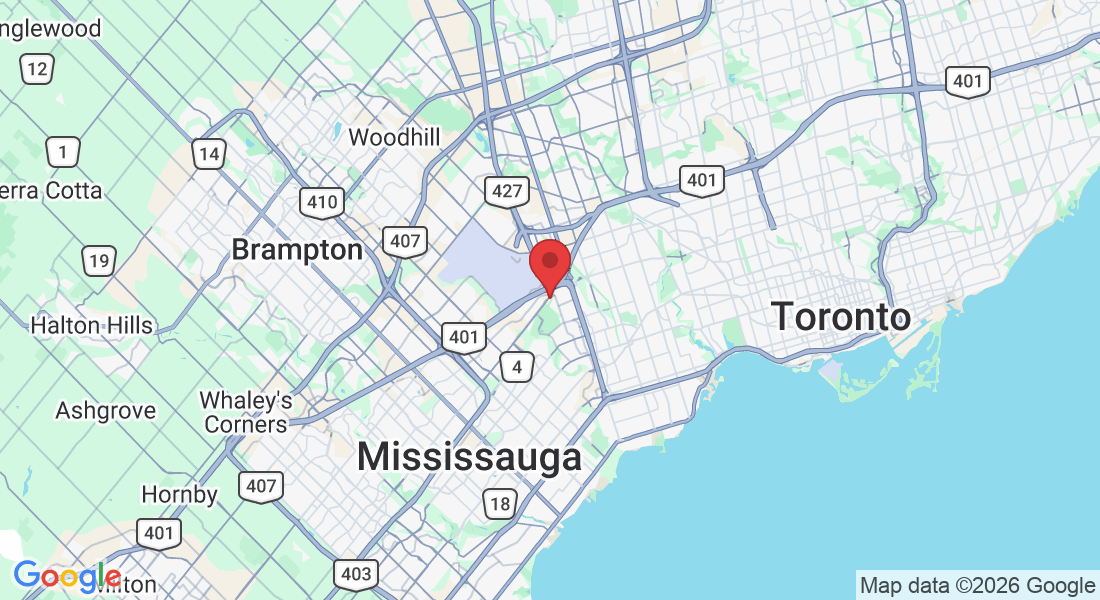
5399 Eglinton Avenue West
Suite 204
Etobicoke, ON
Follow Clear Moon Therapy





© 2024. Clear Moon Therapy. All rights reserved.