
Therapy For Anxiety: How to Reduce Anxiety Fast
February 23, 2026
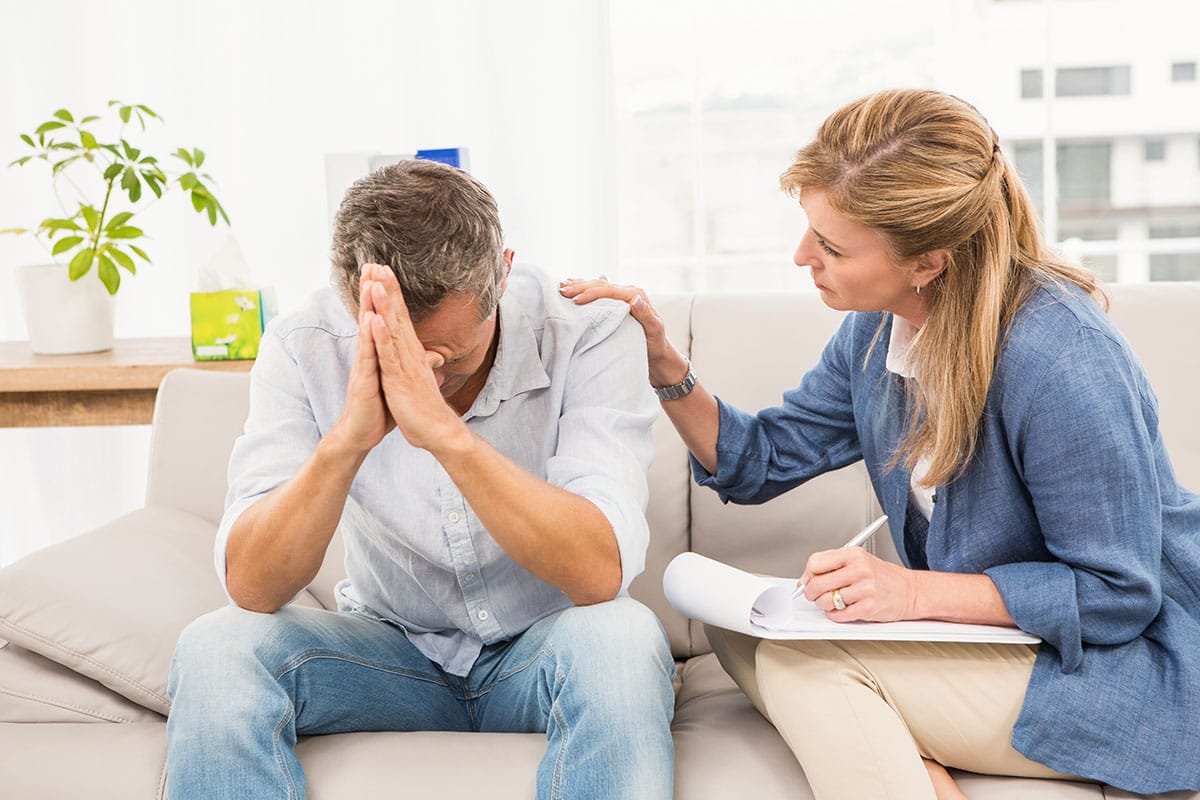
Therapy For Anxiety: How to Reduce Anxiety Fast
Anxiety can feel like an invisible weight pressing on your chest—relentless, distracting, and exhausting. For millions of people worldwide, anxiety interferes with work, relationships, sleep, and overall quality of life.
The good news is that anxiety is highly treatable. With the right therapy, tools, and mindset, you can reduce anxiety quickly and regain control of your life.
What Is Anxiety?
Anxiety is a natural stress response designed to protect you from danger. However, when anxiety becomes constant, excessive, or irrational, it can develop into an anxiety disorder.
Common types of anxiety disorders include:
- Generalized Anxiety Disorder (GAD)
- Panic Disorder
- Social Anxiety Disorder
- Phobias
- Post-Traumatic Stress Disorder (PTSD)
Symptoms may include racing thoughts, rapid heartbeat, shortness of breath, muscle tension, restlessness, and persistent worry. If these symptoms disrupt daily life, professional therapy for anxiety is strongly recommended.
Why Therapy Is the Most Effective Treatment for Anxiety
While medications can help manage symptoms, therapy addresses the root causes of anxiety. Therapy teaches individuals how to understand their thoughts, regulate emotions, and respond to stress in healthier ways.
Unlike quick fixes, anxiety therapy builds long-term resilience. It equips individuals with coping skills that remain effective long after therapy sessions end, making it a first-line treatment recommended by mental health professionals.
Benefits Of Therapy For Anxiety
Psychotherapy for anxiety disorders is a collaborative process where therapists and clients work together to identify underlying emotional challenges and develop practical coping strategies.
It is normal to feel slightly anxious at the beginning of therapy. This discomfort often indicates progress, as therapy encourages individuals to face difficult emotions in a safe and supportive environment.
Over time, therapy helps individuals understand how thoughts, emotions, and beliefs influence anxiety. By reshaping negative thinking patterns, the intensity and frequency of anxiety symptoms can gradually decrease.
- Reduced anxiety and panic symptoms
- Improved emotional regulation
- Stronger coping skills
- Better confidence and self-esteem
Best Types Of Therapy For Anxiety
Several evidence-based therapies are highly effective in treating anxiety disorders. The choice depends on symptoms, severity, and personal preferences.
CBT helps identify negative thought patterns and replace them with healthier, realistic thinking. It is the most widely used and effective therapy for anxiety disorders.
This approach gradually exposes individuals to feared situations in a safe environment, helping reduce fear responses and avoidance behaviors.
ACT encourages acceptance of anxious thoughts while promoting mindful, value-driven actions that reduce anxiety’s emotional impact.
This therapy explores past experiences and emotional patterns that contribute to anxiety, promoting deeper self-awareness and emotional healing.
Online Therapy for Anxiety
Online therapy provides convenient and flexible access to licensed therapists through secure video sessions. It is especially beneficial for individuals with busy schedules or those experiencing social anxiety.
Research shows that online therapy can be just as effective as in-person therapy for managing anxiety, depression, and stress-related conditions.
How Long Does Anxiety Therapy Take?
The duration of anxiety therapy varies depending on symptom severity, therapy approach, and personal goals.
- Mild to moderate anxiety: improvement often appears within 8–12 CBT sessions
- Panic disorder and phobias: exposure therapy may deliver faster results
- Chronic anxiety: longer-term therapy may be beneficial
Consistency, active participation, and practicing coping strategies between sessions can significantly speed up recovery.
Therapy vs. Medication: Which Is Better?
Both therapy and medication can effectively treat anxiety, but they work differently.
Medication helps relieve symptoms quickly, while therapy focuses on addressing the root causes and building long-term coping skills. For mild anxiety, therapy alone may be sufficient, while moderate to severe anxiety may benefit from combining therapy and medication.
When to Seek Professional Help
You should consider therapy for anxiety if:
- Anxiety disrupts daily functioning
- You avoid social or work situations
- Panic attacks occur frequently
- Sleep and concentration are affected
- Self-help methods are no longer effective
Finding the Right Therapist
Choosing the right therapist plays a critical role in successful treatment. Working with a professional you trust can significantly improve therapy outcomes and emotional progress.
At ClearMoon Therapy, licensed therapists provide compassionate and personalized support to help individuals understand their anxiety, build resilience, and develop practical tools for a calmer and more balanced life.
Related Articles
Anxiety Therapy Toronto: Effective Treatment to Reduce Anxiety Fast

Therapy Sessions

Our licensed therapists provide one-on-one sessions to help you navigate personal challenges, build resilience, and find emotional balance.
Therapy Sessions
Our licensed therapists provide one-on-one sessions to help you navigate personal challenges, build resilience, and find emotional balance.
Frequently Asked Questions
What is anxiety and how do I know if I have it?
Anxiety is a natural stress response, but constant worry, racing thoughts, and physical tension may indicate an anxiety disorder.
Why is therapy recommended for anxiety?
Therapy addresses the root cause of anxiety, teaches coping skills, and builds long-term resilience beyond temporary symptom relief.
What types of therapy work best for anxiety?
Cognitive Behavioral Therapy (CBT), Exposure Therapy, ACT, and Psychodynamic Therapy are evidence-based approaches that reduce anxiety effectively.
How long does anxiety therapy take to show results?
Results vary, but many see improvement in 8–12 sessions for mild to moderate anxiety, while chronic cases may require longer-term therapy.
Start Your Journey Today
With Clear Moon Therapy, you’ll be supported by "The therapist who gets it."
Take the first step toward a brighter future. Contact me to schedule a free 15-minute consultation.
At Clear Moon Therapy, I believe everyone has the strength within to heal, grow, and create the life they deserve.
Reach Out
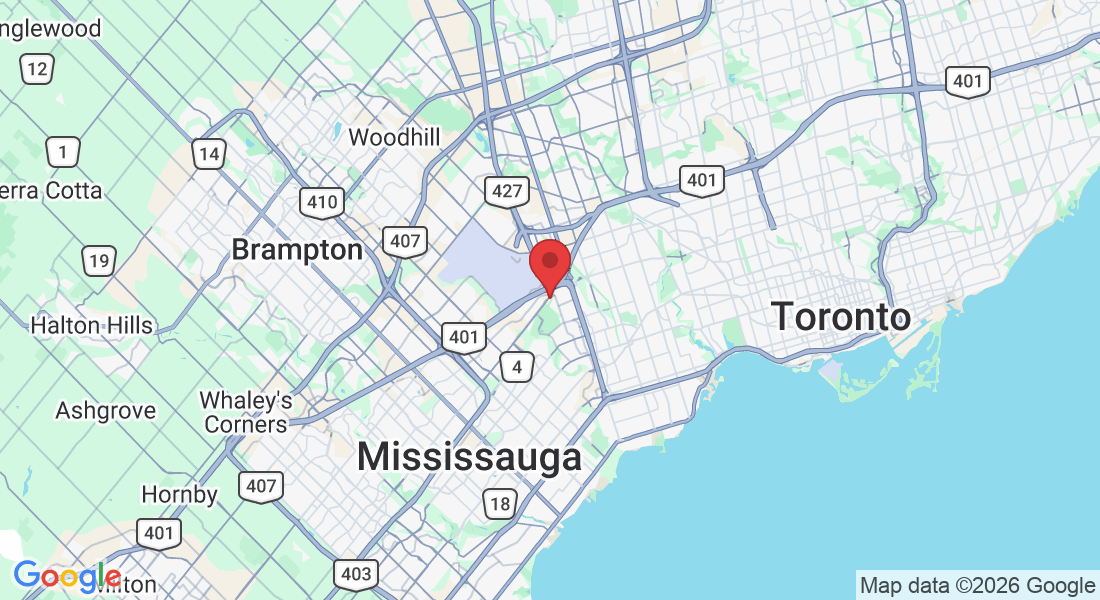
Visit us
5399 Eglinton Avenue West
Suite 204
Etobicoke, ON
Follow Clear Moon Therapy





© 2024. Clear Moon Therapy. All rights reserved.