
Effective Trauma Therapy for Anxiety, PTSD, and Stress in Ontario
February 27, 2026
Effective Trauma Therapy for Anxiety, PTSD, and Stress in Ontario
Experiences that overwhelm emotional coping abilities can contribute to ongoing anxiety, PTSD, and chronic stress. Trauma is not always tied to extreme incidents; it may also arise from emotional neglect, ongoing pressure at work, or difficult relationships. Trauma therapy in Ontario offers structured professional support that helps individuals restore emotional balance and strengthen resilience.
Through guided therapeutic techniques, individuals learn how past experiences influence present emotions and develop healthier ways to respond to stress.
How Trauma Influences Anxiety and Stress
Traumatic experiences activate the body’s natural survival response—commonly known as fight, flight, or freeze. Even when the original threat has passed, the nervous system may remain overly alert.
This prolonged activation can lead to persistent anxiety, difficulty relaxing, muscle tension, and sleep problems. Recognizing how trauma affects the mind and body is an essential step toward recovery.
Common Symptoms of Trauma and PTSD
Intrusive Memories
Flashbacks or recurring thoughts connected to past experiences.
Avoidance
A tendency to avoid people, places, or conversations related to trauma.
Emotional Numbness
Feeling disconnected from emotions or everyday experiences.
Panic or Anxiety
Frequent panic attacks or ongoing feelings of nervousness.
Sleep Difficulties
Insomnia, restless sleep, or frequent nighttime awakenings.
Mood Changes
Irritability, mood swings, or sudden emotional reactions.
Hypervigilance
Feeling constantly alert or on edge in everyday situations.
The intensity of symptoms may vary, but professional support can significantly reduce their impact and improve emotional stability.
Why Professional Trauma Therapy Is Important
Many individuals attempt to manage trauma on their own. However, unprocessed emotional experiences often continue influencing thoughts and behaviors over time.
Professional therapy provides a safe, confidential environment where individuals can explore difficult experiences gradually. The goal is not to relive traumatic events but to reduce their emotional impact and create healthier responses to stress and triggers.
Evidence-Based Approaches in Trauma Therapy
Cognitive Behavioral Therapy
Helps individuals recognize and reshape harmful thinking patterns.
Trauma-Focused CBT
A structured method designed specifically for trauma-related experiences.
EMDR Therapy
Eye Movement Desensitization and Reprocessing helps reprocess distressing memories.
Somatic Therapies
Focus on how trauma is stored in the body and support physical release of tension.
Mindfulness Techniques
Encourage present-moment awareness and emotional regulation.
How Therapy Helps Reduce Anxiety and Stress
Trauma therapy provides practical tools that help individuals manage emotional triggers and reduce stress. Clients learn techniques that address anxious thinking patterns and build healthier responses to difficult situations.
As coping skills strengthen, many individuals notice improved emotional regulation and greater confidence in handling daily stressors.
Reprocessing Traumatic Memories Safely
Unresolved trauma often leaves memories feeling vivid and emotionally overwhelming. Certain therapeutic approaches help the brain reprocess these memories so they gradually lose their intensity.
Rather than erasing the past, therapy reduces its emotional grip, allowing individuals to recall experiences without reliving the same distress.
Building Coping Skills for Long-Term Stability
• Grounding exercises that restore a sense of safety
• Breathing techniques that calm the nervous system
• Cognitive reframing to challenge negative thoughts
• Emotional regulation strategies for managing triggers
These skills strengthen emotional resilience and help individuals maintain balance even during stressful situations.
Trauma Therapy for Working Adults in Ontario
Adults balancing careers and family responsibilities often struggle to prioritize their mental health. However, unresolved trauma can affect workplace performance, relationships, and overall well-being.
Individual therapy offers a confidential space where professionals can explore experiences and focus on healing. Flexible therapy options throughout Ontario help make mental health support accessible for busy schedules.
The Benefits of Individual Therapy for Healing
Lower Anxiety Levels
Reduced emotional tension and fewer stress reactions.
Improved Emotional Regulation
Better control over emotional responses and triggers.
Healthier Coping Strategies
More constructive ways to manage pressure and conflict.
Greater Self-Awareness
Deeper understanding of personal thoughts and behaviors.
Stronger Relationships
Improved communication and emotional connection.
Healing is a gradual process, but consistent therapeutic support helps individuals achieve lasting emotional growth.
What to Expect in Trauma Therapy Sessions
Early sessions focus on understanding your experiences, symptoms, and personal goals. Individuals are not required to discuss everything immediately; therapy progresses at a pace that feels safe and comfortable.
Therapists provide structured guidance while helping clients build coping strategies and emotional insight. Establishing trust is a key part of the therapeutic process.
Taking the First Step Toward Recovery
Living with anxiety, trauma, or PTSD can feel overwhelming, but support is available. Professional trauma therapy in Ontario offers a path toward healing, emotional balance, and renewed resilience.
Seeking help is a courageous decision. With the right guidance and therapeutic support, individuals can process past experiences, develop healthier coping strategies, and regain confidence in their emotional well-being.
Related Articles
PTSD and Trauma Therapy Treatment in Toronto: What You Need to Know

Trauma Therapy in Ontario: Professional Support for Emotional Healing

How Trauma Therapy Helps Adults Heal from Past Emotional Wounds

Frequently Asked Questions
How does trauma therapy help with anxiety and PTSD?
Trauma therapy helps individuals process distressing memories and develop coping strategies that reduce anxiety and emotional distress. Evidence-based techniques support long-term healing and emotional regulation.
Is trauma therapy only for severe cases of PTSD?
No, trauma therapy benefits individuals with a wide range of emotional challenges, including anxiety, stress, and unresolved emotional wounds. Therapy supports healing regardless of the severity of symptoms.
How long does trauma therapy usually take?
The duration of therapy varies based on individual needs and goals. Some clients notice improvement within a few months, while others benefit from longer-term support for deeper healing.
Is therapy confidential?
Yes, therapy sessions are confidential and follow professional ethical guidelines. Information is only disclosed in rare situations involving safety concerns, as required by legal standards.
Start Your Journey Today
With Clear Moon Therapy, you’ll be supported by "The therapist who gets it."
Take the first step toward a brighter future. Contact me to schedule a free 15-minute consultation.
At Clear Moon Therapy, I believe everyone has the strength within to heal, grow, and create the life they deserve.
Reach Out
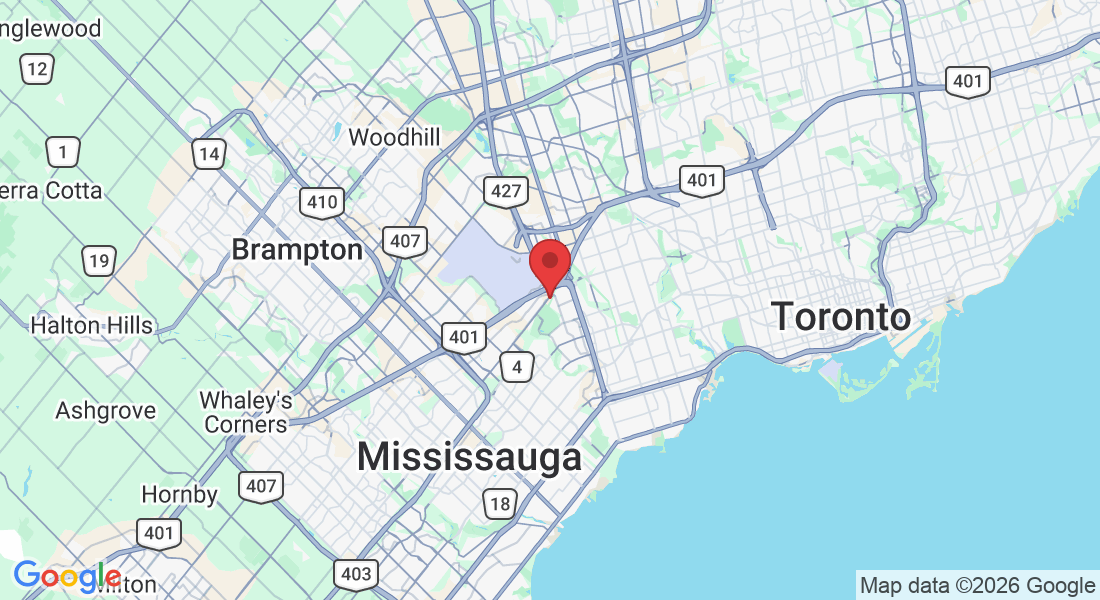
Visit us
5399 Eglinton Avenue West
Suite 204
Etobicoke, ON
Follow Clear Moon Therapy






© 2024. Clear Moon Therapy. All rights reserved.