
Trauma Therapy in Ontario: Professional Support for Emotional Healing
February 25, 2026

Trauma Therapy in Ontario: Professional Support for Emotional Healing
Trauma can be an overwhelming experience that deeply affects emotional health, relationships, and daily functioning. Seeking trauma therapy in Ontario provides individuals with structured and compassionate support to process painful experiences and move toward recovery.
Whether trauma results from a single distressing event or prolonged stress, professional therapy offers a safe environment to explore emotions, strengthen coping skills, and rebuild a sense of stability and control.
Common Signs and Symptoms of Emotional Trauma
Trauma symptoms may appear shortly after an event or gradually develop over time. When these symptoms persist and begin interfering with daily life, professional support can help individuals regain emotional balance.
Intrusive Memories
Unwanted thoughts, flashbacks, or recurring memories of a traumatic experience.
Sleep Disturbances
Nightmares, difficulty sleeping, or frequent waking during the night.
Emotional Numbness
Feeling disconnected from emotions, relationships, or daily experiences.
Mood Instability
Irritability, sudden emotional shifts, or increased sensitivity.
Anxiety & Panic
Persistent worry, panic attacks, or constant feelings of fear.
Avoidance
Staying away from people, places, or situations connected to the trauma.
Trust Difficulties
Struggling to feel safe or emotionally open with others.
Physical Tension
Chronic fatigue, headaches, or muscle tightness linked to stress.
What Is Trauma Therapy?
Trauma therapy is a specialized form of psychotherapy designed to help individuals safely process and integrate traumatic experiences. Therapy progresses at a pace that feels manageable and supportive for each client.
The purpose is not to erase memories but to reduce their emotional intensity. Through guided therapeutic techniques, individuals learn to regulate emotions, challenge harmful beliefs, and rebuild a sense of safety in their lives.
Types of Trauma Addressed in Therapy
Childhood Trauma
Experiences of neglect, instability, or early emotional harm.
Abuse
Physical, emotional, or psychological harm caused by others.
Sexual Assault
Trauma related to unwanted sexual experiences.
Domestic Violence
Exposure to violence or control within intimate relationships.
Accidents & Medical Trauma
Injuries, surgeries, or frightening health emergencies.
Workplace Harassment
Stress and emotional harm caused by workplace environments.
Grief & Loss
Sudden bereavement or complicated grief experiences.
Chronic Stress
Long-term exposure to overwhelming emotional pressure.
Because every person’s experience is unique, therapists develop personalized treatment plans that support meaningful and sustainable recovery.
How Trauma Affects the Brain and Body
Trauma activates the brain’s natural fight, flight, or freeze response. For some individuals, this stress response remains active long after the event has passed, creating ongoing feelings of anxiety, hypervigilance, or emotional distress.
Trauma can also influence how memories are processed, causing certain experiences to remain vivid and emotionally intense. Physical symptoms such as muscle tension, digestive issues, or chronic fatigue are also common. Therapy helps regulate the nervous system and retrain the brain’s response to perceived threats.
When Should You Seek Trauma Therapy?
Seeking professional support may be beneficial if trauma-related symptoms begin to affect emotional well-being or daily functioning.
• Feeling emotionally stuck in past experiences
• Overwhelming reactions to certain triggers
• Relationship challenges related to trust or communication
• Persistent anxiety or depressive symptoms
• Avoiding specific places, people, or memories
Reaching out for support is a proactive step toward emotional resilience and long-term mental health.
Evidence-Based Approaches Used in Trauma Therapy
Cognitive Behavioral Therapy
Helps identify and change thought patterns connected to trauma.
Trauma-Focused CBT
A structured approach specifically designed for trauma recovery.
EMDR Therapy
Supports the brain in reprocessing traumatic memories.
Somatic Therapies
Focus on releasing trauma stored within the body.
Mindfulness-Based Techniques
Promote emotional awareness and present-moment stability.
Internal Family Systems
Explores different emotional parts to support healing.
The Benefits of Professional Trauma Therapy in Ontario
Confidential Support
A safe, non-judgmental environment for emotional exploration.
Evidence-Based Treatment
Structured therapy methods supported by research.
Personalized Care
Treatment plans tailored to individual experiences.
Emotional Regulation
Improved ability to manage intense emotions.
Reduced Anxiety
Lower stress levels and improved mental well-being.
Healthier Coping Skills
Practical tools for managing future challenges.
With consistent therapy, many individuals experience improved self-awareness, stronger relationships, and better overall mental health.
Trauma Therapy for Adults and Working Professionals
Balancing professional responsibilities and personal life can make it difficult to address unresolved trauma. Workplace stress often intensifies emotional symptoms, leading to burnout or chronic exhaustion.
Individual therapy provides a private and supportive space for professionals to explore their experiences without stigma. Flexible scheduling options allow for steady and manageable progress.
Creating a Safe and Supportive Healing Environment
Safety is a core principle of trauma therapy. Therapists focus on building trust and emotional stability so that healing can occur gradually. Compassionate guidance and consistency make meaningful recovery achievable over time.
What to Expect in Your First Trauma Therapy Session
The first therapy session focuses on understanding your personal history, current challenges, and goals for treatment. You are not expected to share every detail immediately.
Your therapist will move at a pace that feels comfortable and supportive. Establishing trust early in the process creates a strong foundation for long-term emotional healing.
Related Articles
PTSD and Trauma Therapy Treatment in Toronto: What You Need to Know

How Trauma Therapy Helps Adults Heal from Past Emotional Wounds

Effective Trauma Therapy for Anxiety, PTSD, and Stress in Ontario
Frequently Asked Questions
How do I know if I need trauma therapy?
If you experience flashbacks, anxiety, emotional numbness, or difficulty coping after a distressing event, trauma therapy may help. Persistent symptoms that interfere with daily life are strong indicators that professional support could be beneficial.
How long does trauma therapy take?
The length of trauma therapy varies depending on the individual, the type of trauma, and personal goals. Some clients see improvement within a few months, while others may benefit from longer-term support.
Is trauma therapy the same as PTSD treatment?
Trauma therapy can include PTSD treatment, but it also addresses a wide range of emotional wounds beyond a formal PTSD diagnosis. Therapists tailor treatment to your specific symptoms and experiences.
Is trauma therapy confidential in Ontario?
Yes, trauma therapy sessions are confidential and follow professional ethical guidelines in Ontario. Your privacy is protected, except in rare situations where safety concerns require disclosure.
Start Your Journey Today
With Clear Moon Therapy, you’ll be supported by "The therapist who gets it."
Take the first step toward a brighter future. Contact me to schedule a free 15-minute consultation.
At Clear Moon Therapy, I believe everyone has the strength within to heal, grow, and create the life they deserve.
Reach Out
Visit us
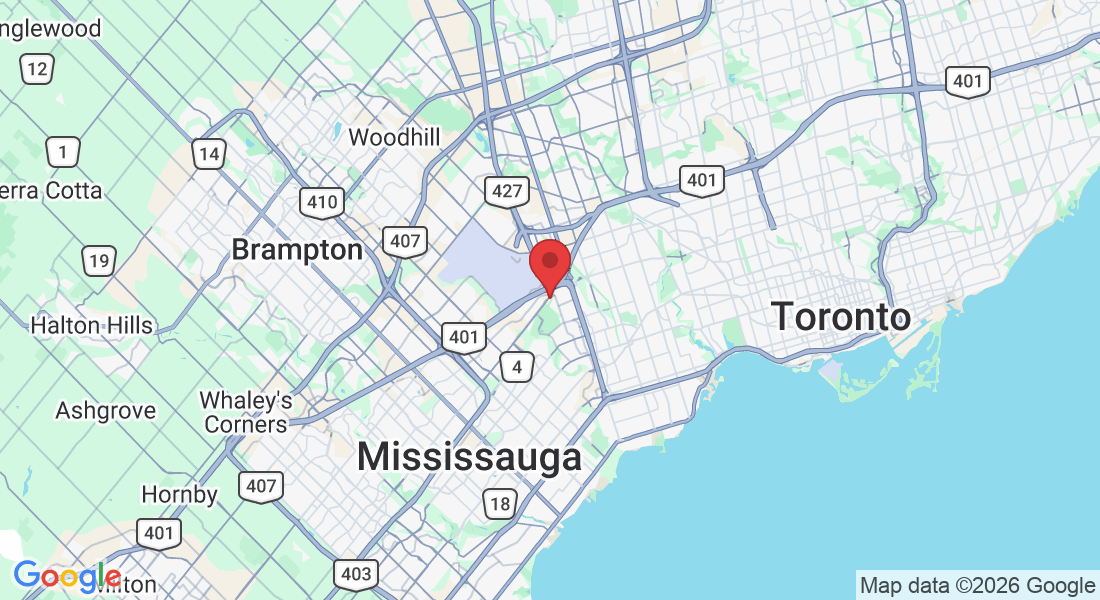
5399 Eglinton Avenue West
Suite 204
Etobicoke, ON
Follow Clear Moon Therapy






© 2024. Clear Moon Therapy. All rights reserved.