
How Trauma Therapy Helps Adults Heal from Past Emotional Wounds
February 26, 2026

How Trauma Therapy Helps Adults Heal from Past Emotional Wounds
Emotional trauma is not always caused by a single dramatic event. Many adults carry unresolved pain from experiences such as childhood neglect, unhealthy relationships, workplace pressure, bullying, or sudden loss. Over time, these experiences can leave lasting emotional marks that influence self-confidence, decision-making, and relationships.
Even when someone appears successful or stable on the outside, internal struggles such as anxiety, trust issues, or low self-worth may still exist. Trauma therapy provides a supportive and structured process that helps adults explore past experiences safely while developing healthier emotional responses.
How Past Experiences Influence Present Behaviour
When emotional wounds remain unprocessed, they often shape how individuals react to stress and interpersonal situations. Early experiences such as emotional neglect or criticism may lead to patterns like people-pleasing, fear of rejection, or difficulty expressing needs.
Trauma can also create deeply rooted beliefs including thoughts like “I am not safe” or “I am not worthy.” These beliefs operate subconsciously and influence daily reactions. Therapy helps individuals recognize these patterns and gradually reshape them into healthier perspectives.
Common Signs of Unresolved Emotional Wounds
Persistent Anxiety
Ongoing worry, tension, or panic responses that feel difficult to control.
Emotional Numbness
Feeling disconnected from emotions or struggling to experience joy.
Trust Difficulties
Fear of vulnerability or challenges building close relationships.
Strong Reactions to Stress
Intense emotional responses to situations that seem minor.
Avoidance Behaviours
A tendency to avoid conversations, places, or memories connected to past experiences.
Low Self-Worth
Persistent feelings of inadequacy or self-criticism.
Ongoing Sadness
Frequent irritability or sadness without a clear cause.
These emotional patterns often originate from experiences that were never fully processed or understood.
Why Many Adults Delay Seeking Trauma Therapy
Adults frequently minimize their own experiences. Some believe their struggles are not “serious enough,” while others fear that discussing the past will reopen emotional pain. Social expectations to remain strong for family or professional responsibilities may also discourage seeking help.
However, avoiding unresolved trauma rarely removes its effects. Emotional wounds can gradually influence mental health, relationships, and daily functioning. Seeking therapy represents a proactive step toward restoring emotional stability.
What Trauma Therapy Is and How It Works
Trauma therapy is a specialized form of psychotherapy designed to help individuals safely process difficult memories and emotional experiences. Sessions are guided by trained professionals who understand the psychological and physiological effects of trauma.
Through structured conversations and therapeutic techniques, individuals learn how trauma influences thoughts, emotional responses, and physical stress reactions. Over time, therapy supports the development of healthier coping strategies and emotional awareness.
The Importance of Safety and Trust in the Healing Process
Recovery from trauma requires a strong sense of emotional safety. Healing cannot occur if someone feels judged, pressured, or misunderstood. For this reason, therapists prioritize building trust and creating a supportive therapeutic relationship.
This secure environment allows individuals to explore difficult experiences gradually, ensuring they feel respected and emotionally supported throughout the healing journey.
Evidence-Based Approaches Used in Trauma Therapy
Cognitive Behavioral Therapy
Helps identify and reshape thought patterns connected to emotional distress.
Trauma-Focused CBT
A structured approach designed specifically to process trauma-related thoughts and feelings.
EMDR Therapy
Eye Movement Desensitization and Reprocessing helps the brain reprocess distressing memories.
Somatic Therapies
Focus on how trauma is stored in the body and help release physical tension.
Internal Family Systems
Explores different emotional parts within the self to promote healing and integration.
Mindfulness-Based Therapy
Encourages present-moment awareness to reduce stress and emotional reactivity.
Reprocessing Difficult Memories in a Healthier Way
Trauma can cause memories to remain emotionally intense, as though the event is still happening. Specialized therapeutic techniques help individuals gradually reprocess these memories so they lose their overwhelming emotional charge.
Instead of triggering fear or shame, the memory becomes easier to recall without re-experiencing the same level of distress. This shift allows individuals to integrate past experiences into their life story in a healthier way.
Developing Emotional Regulation and Coping Skills
A key focus of trauma therapy is strengthening emotional regulation. Individuals learn practical tools such as grounding exercises, breathing techniques, and cognitive reframing strategies.
With practice, these techniques help manage emotional triggers and reduce feelings of overwhelm, allowing adults to respond to stress with greater confidence and stability.
Improving Relationships Through Trauma Recovery
Unresolved trauma can influence communication, intimacy, and personal boundaries. As individuals gain self-awareness through therapy, they often begin to develop healthier relational patterns.
Healing emotional wounds supports stronger connections with partners, friends, and family members while improving the ability to communicate needs and emotions clearly.
Long-Term Benefits of Trauma Therapy for Adults
Reduced Anxiety
Lower stress levels and fewer emotional triggers.
Stronger Self-Esteem
Improved confidence and self-acceptance.
Better Sleep
Reduced mental tension supports improved rest.
Healthier Relationships
More stable communication and emotional connection.
Greater Resilience
Enhanced ability to cope with future challenges.
Healing from trauma does not mean erasing the past. Instead, it means reducing the emotional power those experiences hold over present life.
Taking the First Step Toward Emotional Healing
Living with unresolved emotional pain can feel isolating and exhausting. However, recovery becomes possible when individuals receive the right guidance and support.
Trauma therapy offers a compassionate path toward understanding the past, strengthening coping skills, and creating a more balanced and fulfilling emotional life.
Related Articles
PTSD and Trauma Therapy Treatment in Toronto: What You Need to Know

Effective Trauma Therapy for Anxiety, PTSD, and Stress in Ontario
Trauma Therapy in Ontario: Professional Support for Emotional Healing

Frequently Asked Questions
How does trauma therapy help adults heal from emotional wounds?
Trauma therapy helps adults process painful experiences in a safe environment, reducing emotional intensity and negative thought patterns. It also builds coping skills that support long-term emotional resilience and well-being.
Is trauma therapy only for severe trauma cases?
No, trauma therapy is beneficial for both severe and subtle emotional wounds, including childhood experiences, relationship trauma, and chronic stress. Even if symptoms feel manageable, therapy can help improve emotional balance and self-awareness.
How long does trauma therapy usually take?
The duration of therapy depends on individual experiences and goals. Some people notice improvement within a few months, while others benefit from longer-term support for deeper emotional healing.
Is everything discussed in trauma therapy confidential?
Yes, licensed therapists in Toronto follow strict confidentiality and ethical guidelines. Your personal information remains private unless there are safety concerns that require legal disclosure.
Start Your Journey Today
With Clear Moon Therapy, you’ll be supported by "The therapist who gets it."
Take the first step toward a brighter future. Contact me to schedule a free 15-minute consultation.
At Clear Moon Therapy, I believe everyone has the strength within to heal, grow, and create the life they deserve.
Reach Out
Visit us
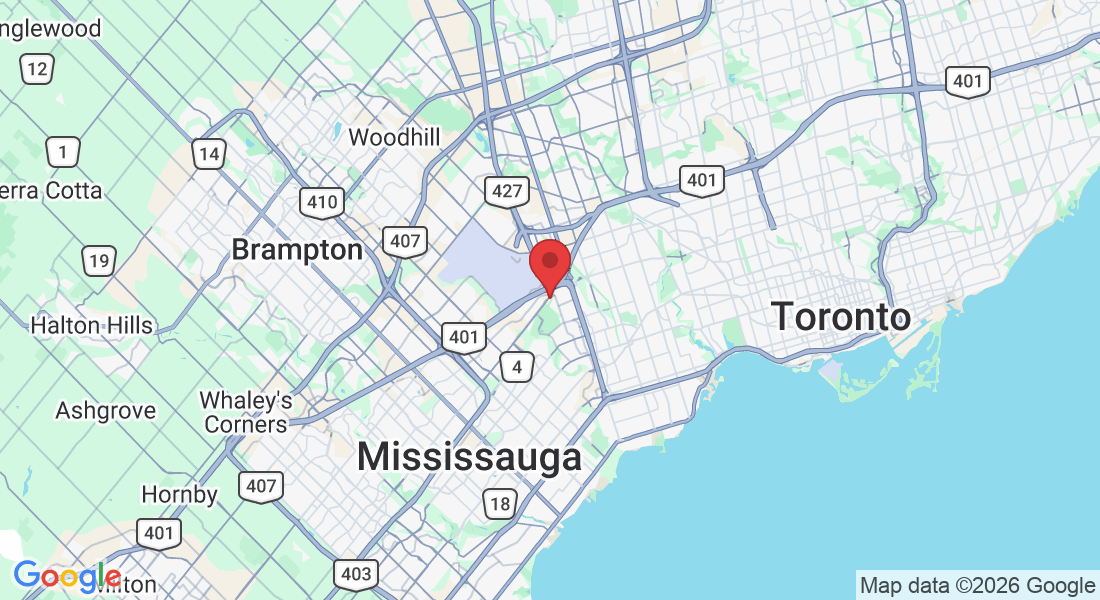
5399 Eglinton Avenue West
Suite 204
Etobicoke, ON
Follow Clear Moon Therapy






© 2024. Clear Moon Therapy. All rights reserved.